Source Steam Cooker for Starch, Beans, and Cooking Applications
Explore 30 listings for steam cooker units featuring stainless steel construction and gas or electric power sources. Buyers can compare capacities ranging from 100 to 600 liters and evaluate options with noise reduction and easy cleaning features for industrial food processing.
Key considerations
Products List
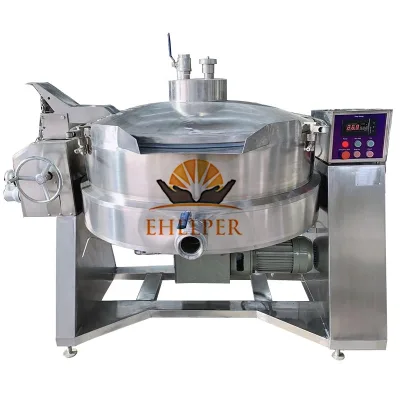


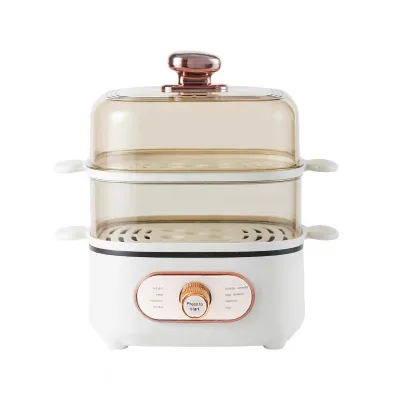


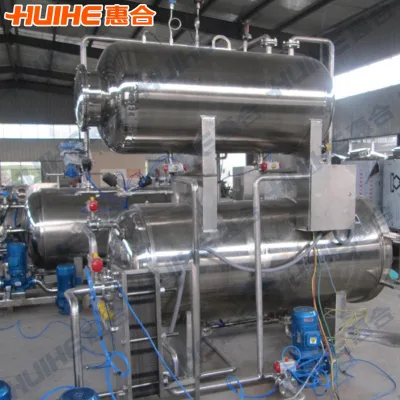
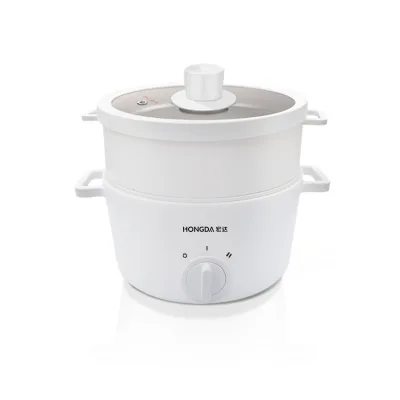
Comprehensive Sourcing Guide
Strategic Sourcing Guide for Industrial Steam Cookers
Navigating the global market for industrial steam cookers requires a disciplined approach that prioritizes technical alignment, regulatory compliance, and supply chain reliability. Buyers entering this sector must distinguish between general-purpose cooking equipment and specialized machinery designed for high-volume commercial or industrial applications. The following guide synthesizes observed market data and essential procurement principles to assist buyers in evaluating potential suppliers and products without relying on unverified claims or speculative data.
Technical Specifications and Operational Capabilities
The core functionality of an industrial steam cooker is defined by its capacity, power source, and construction materials. Market observations indicate a significant variance in capacity, ranging from small units of 100 liters to large-scale industrial vessels capable of handling up to 5,000 liters. This wide range suggests that procurement strategies must be highly specific to the intended production volume. Buyers should verify the exact "Machinery Capacity" or "Model Number" range, as specifications such as 100-600L are common for mid-sized operations, while larger facilities may require custom configurations.
Power sources are a critical differentiator. The market presents options for gas, electric, and steam heating. Some units are designed with dual capabilities, supporting both gas and electric inputs, while others rely exclusively on electrical or steam heating. Voltage requirements also vary; while 220-240V is a standard observation for many units, specific regional requirements must be confirmed. The heating mechanism often dictates the operational efficiency and fuel costs. For instance, units utilizing steam heating may require an external boiler, whereas electric or gas models integrate the heat source directly.
Construction materials are paramount for durability and food safety. The predominant material observed in high-quality units is stainless steel, specifically grades such as SS304 or SS316. These grades offer superior corrosion resistance and hygiene, which are non-negotiable in food processing environments. The physical dimensions of the equipment, often cited as approximately 1850mm in length, 1350mm in width, and 1400mm in height, must be accommodated within the buyer's facility layout. Additionally, the appearance of the machinery, typically horizontal, influences how it integrates into existing production lines.
Compliance, Certification, and Safety Standards
In the B2B procurement of food processing machinery, compliance with international and local safety standards is a primary filter for supplier selection. Buyers must verify that the equipment meets recognized certification requirements. Common standards observed in the market include CE (Conformité Européenne), ISO (International Organization for Standardization), and UL (Underwriters Laboratories). These certifications indicate that the machinery has undergone rigorous testing for electrical safety, mechanical integrity, and operational reliability.
However, the presence of a certification mark does not guarantee universal compliance. Buyers must confirm that the specific model they intend to purchase holds valid certification for their target market. For example, a unit marked with CE certification is suitable for the European market, but it may not automatically satisfy regulatory requirements in North America or Asia without additional verification. The "prod_standard" attribute often lists these certifications, but the buyer's responsibility is to request current, verifiable documentation from the supplier.
Safety features such as pressure regulation are also critical. Industrial steam cookers often operate under pressure, with observed specifications indicating a working pressure of around 0.2 MPa. It is essential to ensure that the pressure vessels and associated safety valves meet the relevant pressure equipment directives. Buyers should also inquire about the "Condition" of the equipment, as new units typically come with updated safety protocols and warranty coverage that refurbished or used units may lack.
Cost Drivers and Total Cost of Ownership
Understanding the cost structure of industrial steam cookers is vital for accurate budgeting. The observed price range in the market is extremely broad, spanning from $2 to $100,000 USD. This variance is driven by several factors, including capacity, material grade, automation level, and brand reputation. A unit priced at the lower end of the spectrum may be a basic model with limited capacity or standard materials, while high-end units featuring advanced automation, larger capacities, and premium stainless steel grades command significantly higher prices.
Beyond the initial purchase price, buyers must consider the Total Cost of Ownership (TCO). This includes energy consumption, maintenance costs, and the frequency of replacement parts. Units with "Easy Setup" and "Easy Cleaning" features may reduce labor costs and downtime, offering long-term savings despite a potentially higher upfront cost. Conversely, equipment requiring "Professional Maintenance" may incur higher ongoing service expenses. The "Warranty Type," often cited as a "Full Warranty" with a duration of one year, also impacts financial risk. A comprehensive warranty can mitigate the cost of unexpected repairs, whereas a limited warranty may leave the buyer exposed to significant out-of-pocket expenses.
Typical Applications and Functional Versatility
Industrial steam cookers are versatile machines designed for a wide array of food processing applications. The observed "Application" attributes highlight their use in processing starch, beans, and various other ingredients. The "Machinery Function" often includes capabilities such as tilting, cooking, and mixing, making these units suitable for complex production processes that require multiple steps in a single vessel.
Specific applications include the preparation of biscuits, where the "Usage" attribute indicates suitability for baking or pre-cooking processes. The "Type" of machine, whether classified as a "Mixer" or an "Efficient Fine Filter Oil Press," further defines its specific role in the production line. For instance, units designed for oil pressing may have different internal mechanisms compared to those designed for general cooking. Buyers must align the machine's specific functions with their production needs to avoid purchasing equipment that is either over-specified or under-capable for their intended tasks.
Supplier Evaluation and Verification
Selecting the right supplier is as important as selecting the right machine. The "Place of Origin" for many industrial steam cookers is identified as China, with specific regions like Hainan and Zhejiang being notable hubs. While these regions offer competitive manufacturing capabilities, buyers must conduct thorough due diligence to ensure the supplier's reliability. The "Brand Name" is a factor, but it should not be the sole determinant of quality. Buyers should verify the supplier's track record, production capacity, and after-sales support.
Key evaluation criteria include the "Production Cycle," which is observed to be around 7 working days for certain models, and the "Transport" logistics. Understanding the lead time and shipping methods is crucial for supply chain planning. Additionally, the "Customization" availability is a significant differentiator. Many suppliers offer customized solutions, allowing buyers to tailor the machine to specific production requirements. However, customization can extend lead times and increase costs, so buyers must balance these factors carefully.
Quality Control and Inspection Protocols
Implementing a robust quality control (QC) protocol is essential to ensure that the delivered equipment meets the buyer's specifications. The "Material Quality," often specified as 304 Stainless Steel, must be verified through mill test certificates or on-site inspections. Buyers should also check the "Single package size" and "Packing" standards, which are frequently described as "Export Wooden Crates" or "Wooden Case" packaging. Proper packaging is critical to prevent damage during transit, especially for heavy industrial machinery.
Inspection should also cover the "Condition" of the equipment, ensuring it is "New" and free from defects. For units with complex features like "Timing Devices" or "Basket" configurations, functional testing is necessary to verify that all components operate as intended. The "Maintenance" requirements should be clearly understood; equipment that requires professional maintenance may need a service contract or on-site training for the buyer's staff.
Long-Term Procurement Considerations
Sourcing industrial steam cookers is not a one-time transaction but a long-term partnership. Buyers should consider the "Warranty" terms, which typically range from one year, and the availability of spare parts. The "Maintenance" aspect is particularly important; equipment that is difficult to service can lead to prolonged downtime and increased operational costs. Buyers should also evaluate the "Customization" options for future upgrades or modifications.
Furthermore, the "Selling Units" attribute, often listed as "Single item," implies that the equipment is sold as a complete unit. Buyers must ensure that all necessary accessories and components are included in the purchase to avoid additional procurement delays. The "Transport" logistics and "Production Cycle" should be factored into the overall project timeline. Finally, buyers should maintain open communication with the supplier regarding any changes in regulations or standards that may affect the equipment's compliance status in the future.
| Feature Category | Observed Market Range | Key Verification Point |
|---|---|---|
| Capacity | 100L - 5000L | Match to production volume needs |
| Material | SS304, SS316 | Verify mill test certificates |
| Power Source | Gas, Electric, Steam | Confirm compatibility with facility utilities |
| Voltage | 220-240V | Ensure grid compatibility |
| Certification | CE, ISO, UL | Validate for target market |
| Warranty | 1 Year (Full) | Review terms and exclusions |
| Packaging | Export Wooden Crates | Inspect for damage upon arrival |
By adhering to these guidelines and focusing on verified facts rather than marketing claims, buyers can make informed decisions that ensure the acquisition of high-quality, compliant, and efficient industrial steam cookers. The goal is to build a supply chain that supports long-term operational success and minimizes risk.
FAQs
What materials are used for industrial steam cookers?
Industrial steam cookers are primarily constructed from stainless steel, specifically grades SS304 or SS316. These materials ensure superior corrosion resistance and hygiene required for food processing environments.
How is the capacity of these machines defined?
Machinery capacity ranges from 100 liters to 5000 liters depending on the model. Specific units often feature capacities between 100 and 600 liters for mid-sized operations.
Can the voltage be customized for different regions?
Standard voltage options include 220V and ranges of 220-240V. Buyers must verify grid compatibility as specific regional requirements may differ from these standard observations.
What certifications are typically available for this equipment?
Common certifications include CE, ISO, and UL standards. Buyers should request current documentation to verify that the specific model meets regulatory requirements for their target market.
How long is the warranty period for new units?
New units typically come with a one-year full warranty. This coverage helps mitigate the cost of unexpected repairs compared to limited warranty options.
What is the standard packaging for export shipments?
Equipment is usually packed in export wooden crates or wooden cases. This packaging is designed to prevent damage during transit for heavy industrial machinery.
Are customization options available for specific needs?
Customization is available for various production requirements. Buyers should note that customization may extend lead times and increase costs compared to standard models.